
Cadillac EV Range in Cold Weather: A Chicago Winter Guide
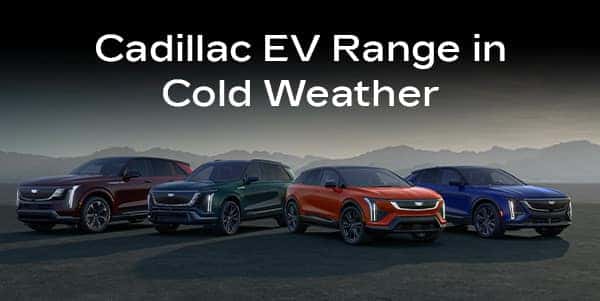
Chicago winters can affect how far your Cadillac electric vehicle travels on a full charge. Freezing temperatures, cabin heating, winter road conditions and battery temperature all influence driving range and charging speed.
If you drive a Cadillac LYRIQ, OPTIQ, VISTIQ or Escalade IQ around Schaumburg and the greater Chicago area, understanding these changes can help you plan your commute, manage charging and make the most of your vehicle’s available range.
Cold-weather range loss is a normal characteristic of electric vehicles. It does not automatically mean your battery is damaged. With a few practical habits, you can reduce unnecessary energy use and make winter driving more predictable.
In this guide, we’ll explain why cold weather affects Cadillac EV range, how to prepare your vehicle before driving, and what to know about home and public charging during an Illinois winter.
Why Does Cold Weather Reduce Cadillac EV Range?
Several factors contribute to reduced electric vehicle range in winter.
1. Cold Temperatures Affect Battery Performance
Lithium-ion batteries operate most efficiently within a certain temperature range. When the battery is cold, its ability to deliver and accept energy changes. The vehicle may also use energy to bring the battery to a more suitable operating temperature.
As a result, the range estimate displayed on your dashboard may be lower on a freezing morning than it is during milder weather.
2. Cabin Heating Uses Electricity
Unlike a gasoline vehicle that can use engine waste heat to warm the cabin, an electric vehicle needs electricity for its heating system.
Using the heater, defroster and other climate controls can increase energy consumption, especially when the vehicle starts cold and needs to warm the cabin quickly.
3. Winter Driving Conditions Require More Energy
Chicago-area winters can bring snow, slush, ice and strong winds. These conditions can increase rolling resistance and make driving less efficient.
Other factors that may affect range include:
- Lower tire pressure in cold weather
- Winter tires and their rolling resistance
- Higher highway speeds
- Frequent short trips
- Extra vehicle weight from cargo or equipment
- Repeated acceleration and braking in traffic
The combined effect depends on the temperature, route, driving habits and specific Cadillac EV.
How Much Range Can a Cadillac EV Lose in Winter?
There is no single percentage that applies to every electric vehicle in every winter condition. Range can decline modestly in cool weather and more substantially during prolonged subfreezing temperatures, particularly when the cabin heater is working hard.
Independent testing illustrates how significant the difference can be. For example, AAA reported an average range reduction of approximately 41% across five electric vehicles tested at 20°F with the cabin heater running. Geotab’s analysis of thousands of EVs also found that cold temperatures affect driving efficiency, with results varying according to temperature and usage.
These findings provide context, but they are not Cadillac-specific winter range guarantees.
Your actual range will depend on your model, trim, battery temperature, route, climate settings and driving conditions. For winter trips, use your vehicle’s current range estimate and plan a comfortable charging buffer rather than relying exclusively on its advertised maximum range.
What Does Winter Range Mean for Cadillac EV Models?
Cadillac’s advertised range figures are estimates based on specific testing conditions. Actual driving range can vary with temperature, terrain, battery condition, vehicle load and driving habits.
Here’s how to approach winter range planning for the Cadillac electric lineup:
| Cadillac EV | Winter driving consideration |
|---|---|
| Cadillac LYRIQ | Consider cabin heating, highway speed and battery preconditioning when planning longer commutes. |
| Cadillac OPTIQ | Plan around your regular commute and charging access, particularly during the coldest weeks of winter. |
| Cadillac VISTIQ | Account for cabin comfort and the energy needed for family trips, especially when traveling with a full vehicle. |
| Cadillac Escalade IQ | Consider the length of your route, vehicle load and charging stops when planning longer winter journeys. |
The best approach is to learn how your specific vehicle performs on your usual routes during colder weather. After a few weeks, your driving history and energy-use information can help you estimate a realistic winter buffer.
How to Maximize Cadillac EV Range in a Chicago Winter
You cannot eliminate every effect of cold weather, but you can reduce avoidable energy use.
1. Precondition Your Cadillac EV While Plugged In
Preconditioning prepares the cabin before you leave. Depending on the vehicle and settings, it can also help prepare the battery for driving or charging.
When the vehicle is connected to a charger, some of the energy used to warm the cabin can come from the electrical supply rather than the battery’s stored driving energy.
To make preconditioning part of your routine:
- Connect your vehicle to your home charger when possible.
- Use the vehicle’s available charging or climate controls to schedule a departure time or prepare the cabin.
- Start the process before you leave, allowing sufficient time for your vehicle to reach a comfortable temperature.
- Review your owner’s manual for the specific preconditioning features and controls available on your model.
Preconditioning does not increase the battery’s capacity or eliminate cold-weather range loss. It helps manage energy use and can make the cabin more comfortable before you begin driving.
For more information, see Cadillac’s EV charging guidance.
2. Use Seat and Steering-Wheel Heaters
When equipped, heated seats and a heated steering wheel can provide direct warmth without requiring you to raise the cabin temperature as much.
Try setting the cabin temperature to a comfortable, moderate level and using these features when appropriate. You can also reduce unnecessary climate-control use once the cabin is warm.
However, visibility and comfort should always come first. Use the defroster whenever necessary to keep the windshield and windows clear.
3. Check Tire Pressure Regularly
Cold air causes tire pressure to decrease. Underinflated tires can increase rolling resistance, reduce efficiency and affect vehicle handling.
During winter, check tire pressure regularly and follow the recommended pressures listed on your vehicle’s tire information label or in the owner’s manual.
Also consider having your tires inspected before winter to check tread depth, wear and overall condition. Proper tires are especially important when navigating snow, slush and icy roads.
If you need help preparing your vehicle, visit the Patrick Cadillac Service Department for information about EV maintenance and tire care.
4. Adjust Highway Speed When Conditions Allow
Higher speeds generally require more energy because aerodynamic resistance increases as speed rises.
Driving at a steady, reasonable speed can help reduce energy consumption on longer trips. In winter, allow extra time for your commute, leave more following distance and adjust your speed to road conditions.
Avoid abrupt acceleration when possible, and use your Cadillac’s available regenerative braking settings according to the owner’s manual and current road conditions.
Safety always takes priority over maximizing range.
5. Park in a Garage When Possible
A garage can provide some protection from extreme outdoor temperatures. If you have access to a garage with charging, plugging in overnight and preparing the cabin before departure can make winter mornings more convenient.
If you park outdoors, you can still use preconditioning and scheduled charging where supported. Just remember that a vehicle exposed to prolonged freezing temperatures may require more energy to warm up.
6. Combine Short Trips When Practical
Repeated short trips can be less efficient in winter because the cabin and battery may need to warm up multiple times.
When practical, combine nearby errands into one outing rather than making several separate trips throughout the day. This can help reduce repeated warm-up demands and make your energy use more predictable.
7. Plan Around a Realistic Winter Range
Do not assume your vehicle will deliver its full advertised range during a Chicago cold snap.
For regular commuting, monitor your energy use and range estimates over several days. For longer journeys, consider:
- Your expected distance and available charging locations
- Outdoor temperatures along the route
- Highway speeds and elevation changes
- The number of passengers and amount of cargo
- A buffer for traffic, detours or unexpected delays
On especially cold days, leaving with a higher charge level may provide additional flexibility, provided it fits your normal charging routine and the battery manufacturer’s guidance.
Charging a Cadillac EV in Freezing Temperatures
Cold weather can affect charging as well as driving range. A cold battery may accept energy more slowly, which can increase the time needed at a public DC fast charger.
Your vehicle’s battery management system helps regulate battery temperature, but the charging experience will depend on the battery’s condition, the charger, the vehicle’s capabilities and the weather.
Charge at Home Whenever Possible
Home charging is a convenient way to prepare for winter driving. If you have a compatible home charging setup, plug in regularly and use the vehicle’s charging schedule to prepare it for your next departure.
Cadillac’s charging controls may allow you to set a target charge level, schedule charging and manage cabin preconditioning. Available settings vary by vehicle.
Learn more about charging your Cadillac EV at home.
Prepare Before Using a Public Fast Charger
If you’re planning a longer trip, identify charging stations before leaving.
Where supported by your Cadillac, selecting a DC fast charger as a destination in the vehicle’s navigation system may help prepare the battery for charging. Follow your model’s instructions to confirm whether this feature is available and enabled.
Keep these tips in mind:
- Check charger availability and compatibility before your trip.
- Allow additional time for charging during very cold weather.
- Avoid planning a long trip around a charging stop that leaves you with no flexibility.
- Monitor your battery level and adjust your route if conditions change.
- Follow the vehicle’s charging instructions and the charging station’s guidance.
Charging times advertised by manufacturers are generally based on specified conditions. Actual times can be longer in freezing weather, so build flexibility into your travel plans.
Winter EV Charging Checklist
- Before a winter trip, make sure you:
- Charge your vehicle before a long drive.
- Precondition the cabin while connected to a charger when possible.
- Check your route and charging stops.
- Allow extra time for public charging in freezing temperatures.
- Keep enough charge in reserve to handle traffic or a detour.
- Check tire pressure and clear snow and ice from the vehicle.
- Review your owner’s manual for model-specific cold-weather guidance.
Cadillac EV Winter Driving FAQ
How much range does a Cadillac EV lose in cold weather?
The amount varies by model, temperature, driving speed, heating use and trip length. Independent EV testing has documented substantial range reductions in freezing conditions, but no single percentage accurately predicts the performance of every Cadillac EV.
Is cold-weather range loss permanent?
Typically, the reduction in driving range associated with cold temperatures is temporary. As the battery returns to more favorable operating temperatures, available range and efficiency can improve. Persistent or unusual range changes should be evaluated by a qualified service professional.
Does cabin heating reduce Cadillac EV range?
Yes. Cabin heating uses electricity that would otherwise be available for driving. Using heated seats and a heated steering wheel when equipped, along with a moderate cabin temperature, can help manage energy use.
Always use the climate controls necessary to maintain comfort and clear visibility.
Does preconditioning help Cadillac EV range?
Preconditioning can help conserve stored driving energy by using electricity from a connected charger to prepare the cabin before departure. The exact features and controls vary by model, so consult your owner’s manual for instructions.
How do I precondition a Cadillac EV?
Depending on your model, you may be able to use the vehicle’s charging controls or the myCadillac app to schedule departure times or prepare the cabin. Connect the vehicle to a charger when possible, and follow the instructions for your specific model.
Can I fast-charge a Cadillac EV in freezing weather?
Yes. However, charging may take longer if the battery is cold. Where supported, use the vehicle’s navigation system to prepare for a fast-charging stop and allow additional time during very cold conditions.
What winter range should I expect around Chicago?
Your winter range will depend on your vehicle and how you drive. Start with the range estimate displayed by your Cadillac, then monitor your actual energy use during cold-weather commutes. Use that experience to plan longer trips with a suitable reserve.
Does cold weather damage a Cadillac EV battery?
Cold weather affects battery performance, but a temporary drop in estimated range does not automatically indicate battery damage. Your vehicle’s battery management system helps manage operating conditions. If you notice persistent warnings, charging problems or unusual changes in performance, contact a qualified service professional.
Explore Cadillac Electric Vehicles at Patrick Cadillac
Chicago winters don’t have to keep you from enjoying electric driving. Understanding how cold weather affects range, preparing your vehicle before departure and planning charging stops can help you approach winter with greater confidence.
At Patrick Cadillac in Schaumburg, our team can help you explore the electric lineup, compare available models and learn more about the features that fit your driving needs.
Browse our new Cadillac inventory, explore the Cadillac LYRIQ, OPTIQ, VISTIQ or Escalade IQ, or learn more about Cadillac EV service and winter maintenance.
Ready to experience a Cadillac EV? Visit Patrick Cadillac at 526 Mall Drive, Schaumburg, IL 60173, or call our sales team at (708) 469-6843 to ask questions and schedule a test drive.

0 comment(s) so far on Cadillac EV Range in Cold Weather: A Chicago Winter Guide